
Postural Alignment: Learning It All
How Postural Alignment affects your body
Understanding Posture: What the Body Reveals and How It Can Be Restored
Posture is more than how someone stands or sits — it is
a visible reflection of how the body is functioning beneath the surface. Over time, patterns of tension, compensation, and imbalance begin to shape the body’s structure. What we see externally is often the result of deeper internal restrictions within the muscular and fascial systems.
The Structural Fascial Realignment Method focuses on identifying and correcting these patterns at their source, rather than simply treating symptoms.
The Body as a System of Compensation
Many people believe pain comes from the area where they feel it — the neck, the lower back, the shoulders. In reality, those areas are often compensating for imbalances elsewhere.
For example, tightness in the hips can shift weight distribution. This affects spinal alignment, which then creates strain in the neck and shoulders. The body is constantly adapting to maintain balance, even when that balance is inefficient or painful.
The Many Faces of Postural Imbalance
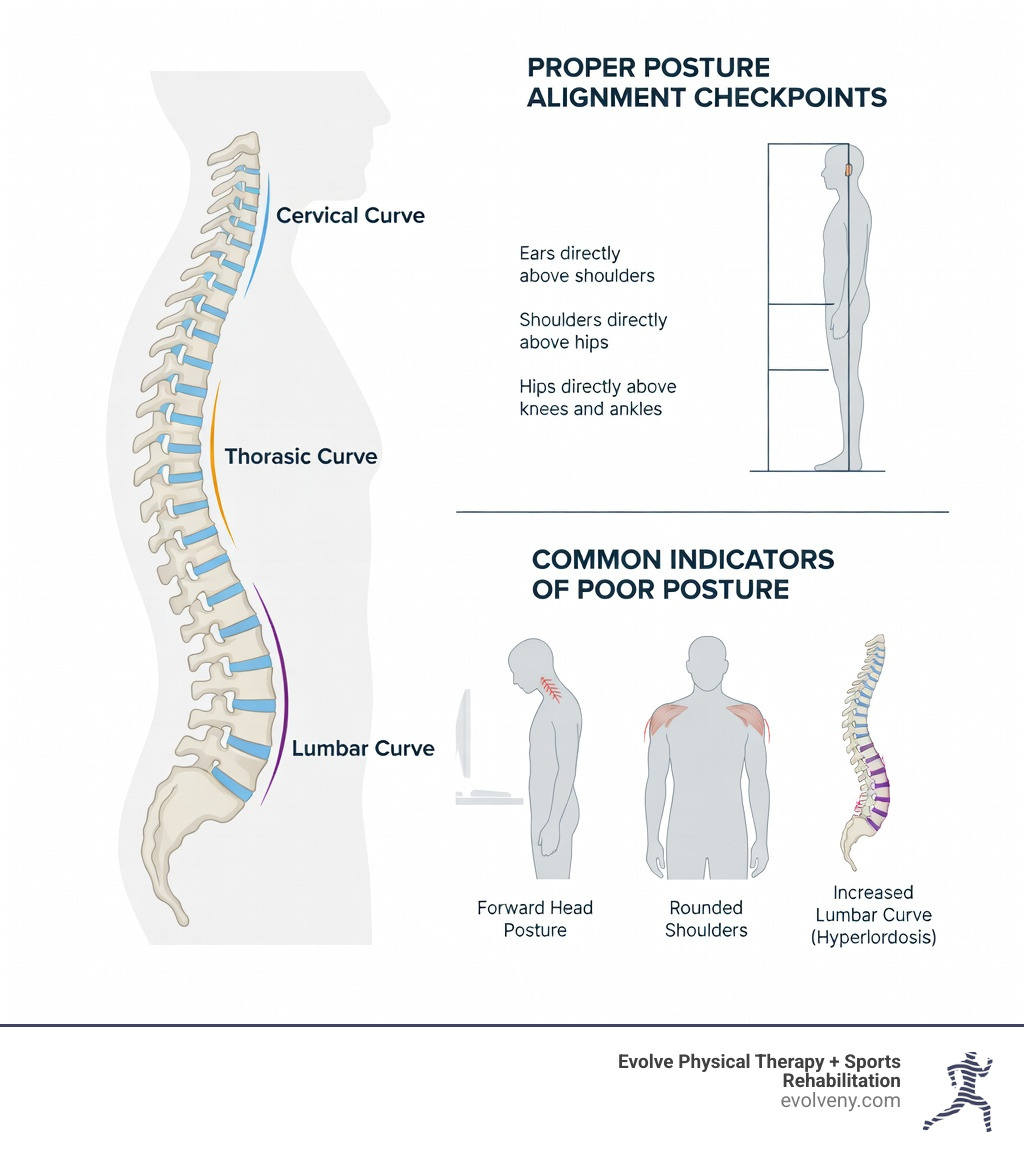
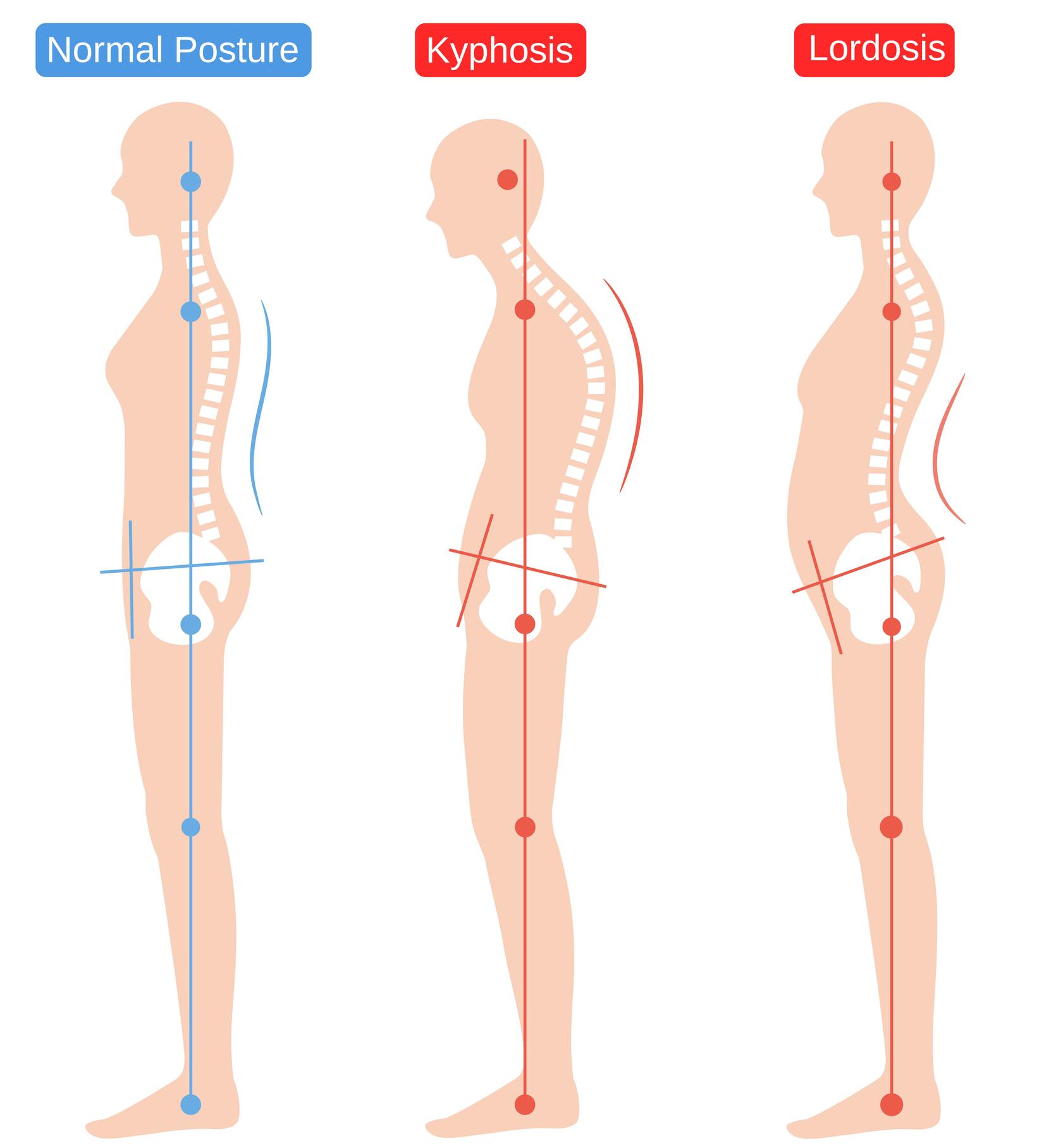
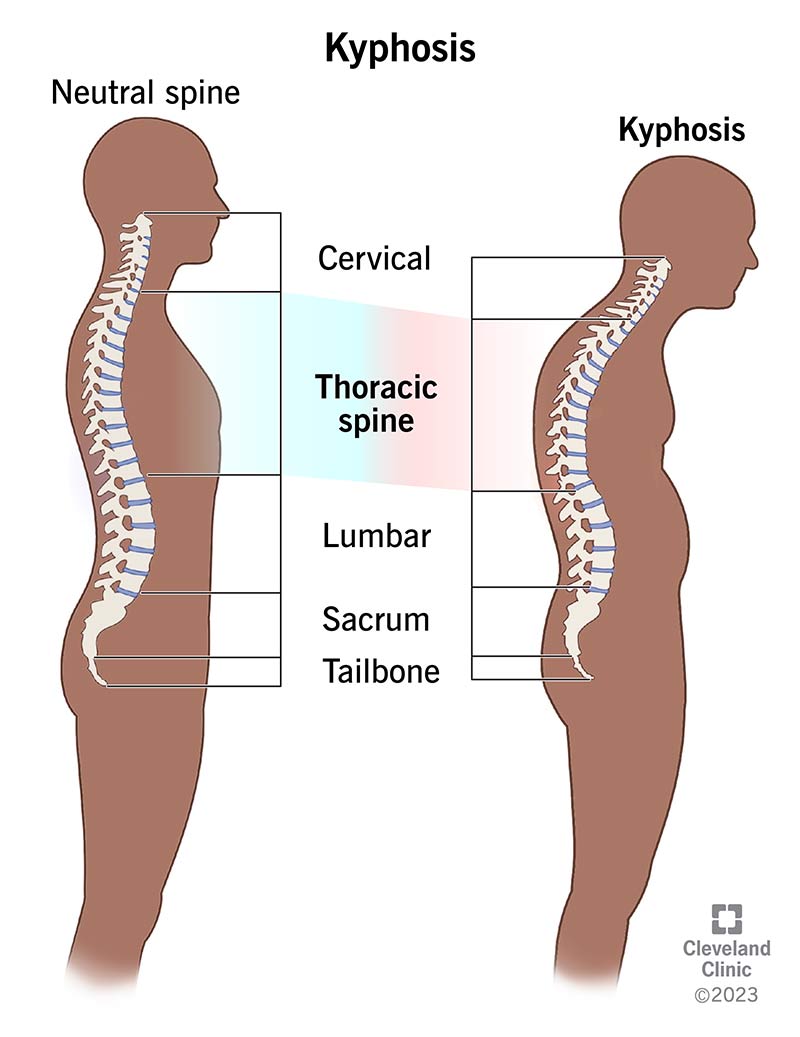
This illustrates several common postural patterns, including sway back, lumbar lordosis, thoracic kyphosis, and forward head posture.
These are not simply “bad posture” positions — they are compensation patterns.
The body organizes itself around restriction. When one area becomes tight or unstable, another area adjusts to compensate. Over time, these adjustments become the body’s default position.
Alignment Is Not the Same as Standing Straight
There is a critical difference between alignment and correction.
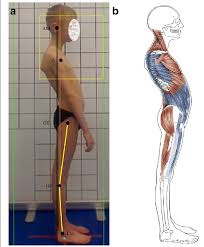
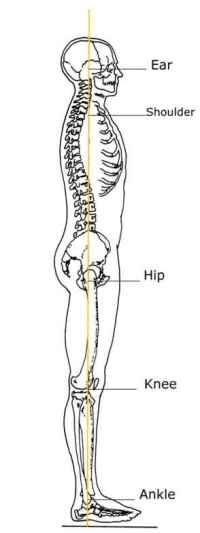
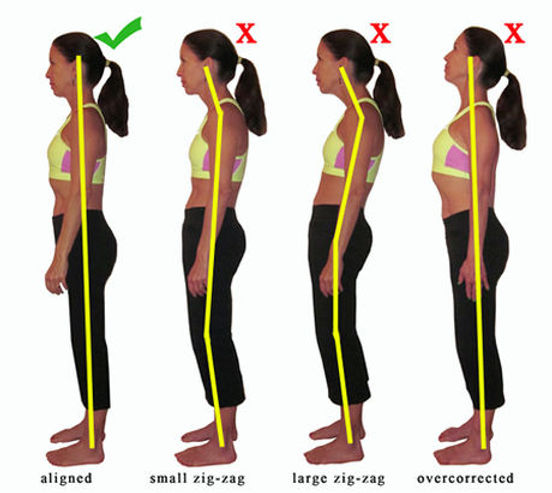
A properly aligned body maintains a natural vertical relationship with minimal effort. A misaligned body often forms a zig-zag pattern of compensation through the joints and spine. An overcorrected posture, where someone forces themselves upright, may look improved temporarily but often creates additional tension.
Many people are told to pull their shoulders back or stand up straight. While well intentioned, this approach does not address the underlying structural issue. In many cases, it actually reinforces new patterns of strain.
True alignment is not something that should be forced. It is something that emerges when the body is no longer being pulled out of position.
The Hidden Impact of Poor Posture
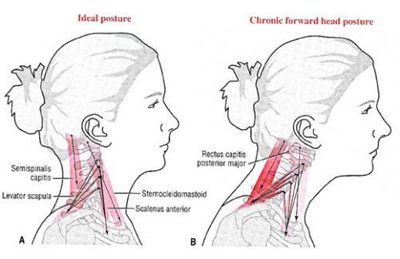
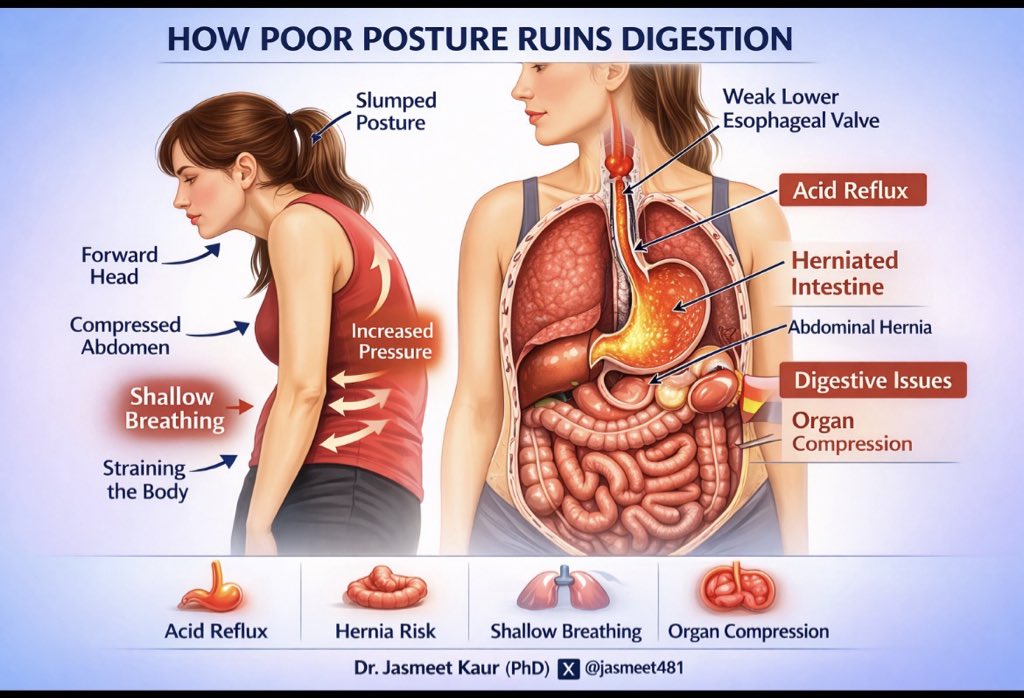
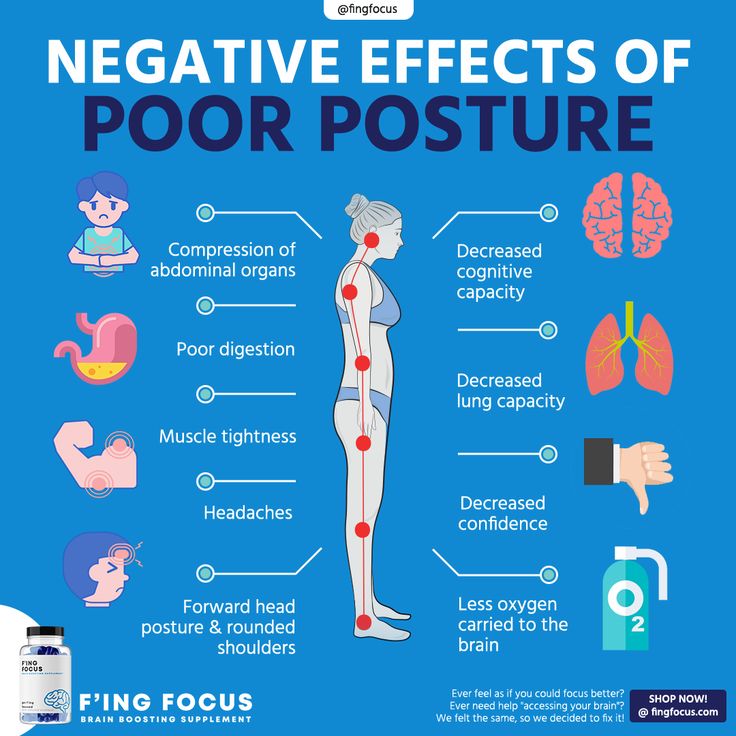
Posture affects far more than appearance. It directly influences how the body functions.
Poor alignment can contribute to reduced lung capacity, compression of internal organs, decreased oxygen flow, muscle tightness, headaches, fatigue, and reduced mental clarity.
These effects often develop gradually, which is why they are frequently overlooked. Many people live with chronic tension or low energy without realizing that posture is a contributing factor.
Why These Patterns Don’t Resolve on Their Own
Traditional approaches often focus on stretching tight muscles, strengthening weak ones, or consciously trying to improve posture.
While these methods can provide short-term relief, they often fail to create lasting change because they do not address the deeper structural tension within the body.
Fascia plays a central role in this process. It is the connective tissue network that surrounds and integrates every muscle and structure. When fascia becomes restricted, it can create pulling forces that affect the body globally, not just locally.
How Structural Fascial Realignment Works
The Structural Fascial Realignment Method focuses on identifying the primary restriction patterns within the body and releasing them.
Instead of forcing posture into place, the method removes the internal forces that are preventing proper alignment.
As these restrictions are released, the body begins to reorganize itself naturally. Alignment improves without effort because the underlying cause has been addressed.
A More Natural State of Balance
When the body returns to a more balanced state, movement becomes easier and more efficient. Pain and tension decrease. Breathing improves. The nervous system is able to relax.
Posture is no longer something that must be consciously maintained. It becomes the body’s natural resting state.
A Different Perspective
The Structural Fascial Realignment Method is based on a simple but powerful idea.
The body is not broken — it is adapting.
By understanding and addressing those adaptations at their root, it becomes possible to create lasting change. Instead of chasing symptoms, the focus shifts to restoring the body’s natural structure and function.