
Evaluation Methods and Treatment Agenda
Understanding Posture and Structural Alignment — How the Body Reveals the Problem and How It Can Be Restored
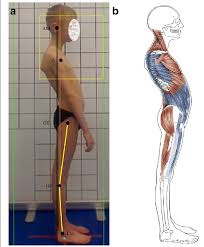
Posture is more than how someone stands or sits—it is a visible reflection of how the body is functioning beneath the surface. Over time, patterns of tension, compensation, and imbalance begin to shape the body’s structure. What we see externally is often the result of deeper internal restrictions within the muscular and fascial systems. The Structural Fascial Realignment Method focuses on identifying and correcting these patterns at their source, rather than simply treating symptoms.
The body functions as a system of compensation. Many people assume that pain comes from the area where they feel it—the neck, the lower back, or the shoulders. In reality, those areas are often compensating for imbalances elsewhere. For example, tightness in the hips can shift weight distribution through the pelvis. That altered position affects the spine, which then creates strain in the upper back, shoulders, and neck. The body is constantly adapting in order to remain upright and functional, even when that adaptation is inefficient or painful. Over time, these adjustments become the body’s normal pattern.
Identifying Patterns of Restriction
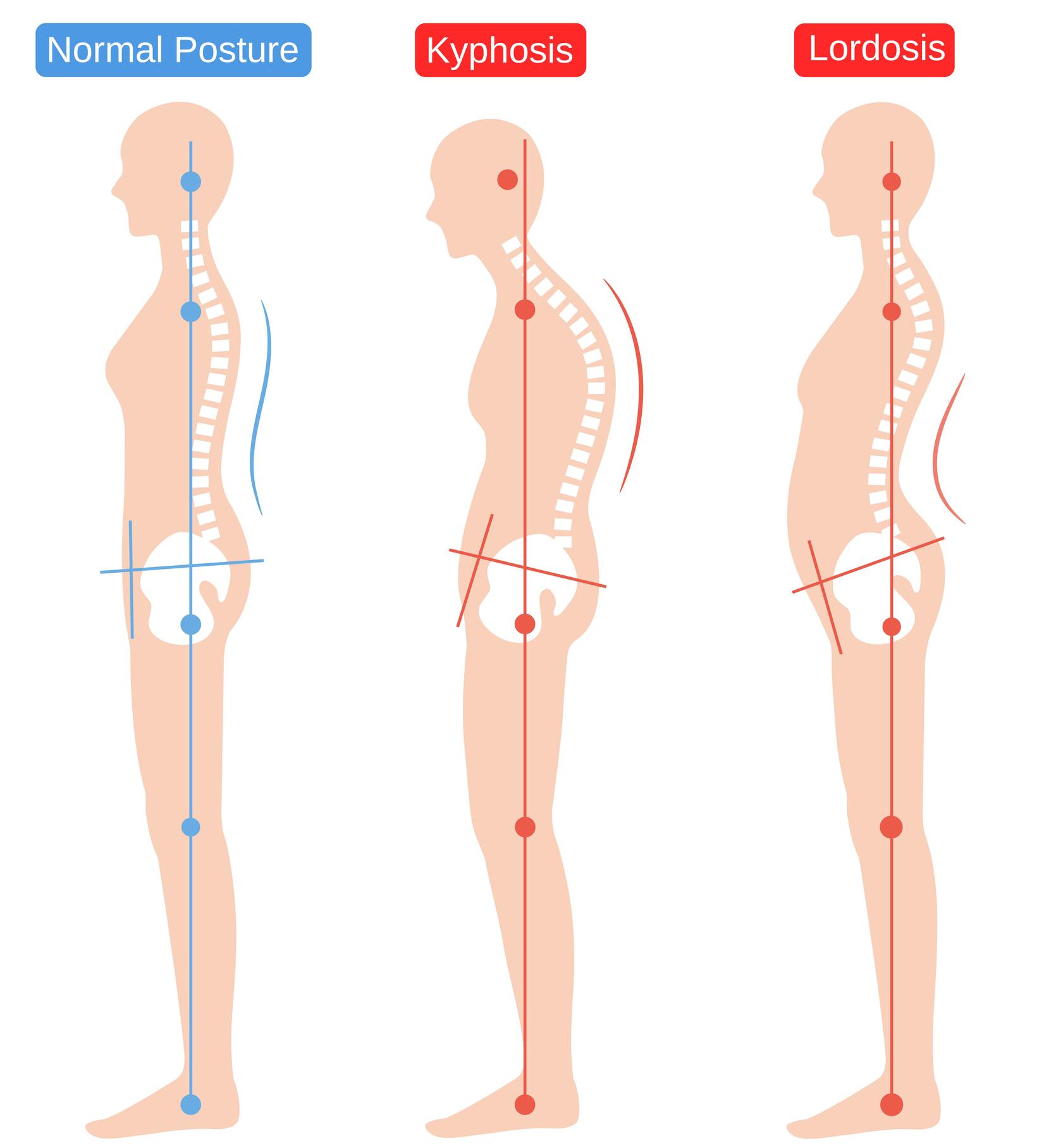
Instead of focusing on where something hurts, the focus is on how the body is moving and organizing itself. By observing range of motion, symmetry, and compensation, it becomes possible to identify where movement is being restricted and how the body is adapting around that restriction. Fascia plays a central role in this process. Fascia is the connective tissue network that surrounds and integrates every muscle and structure in the body. Because it connects the entire body, a restriction in one area can influence movement and posture in completely different regions. What appears to be a local issue is often part of a much larger pattern.
Understanding How Compensation Develops
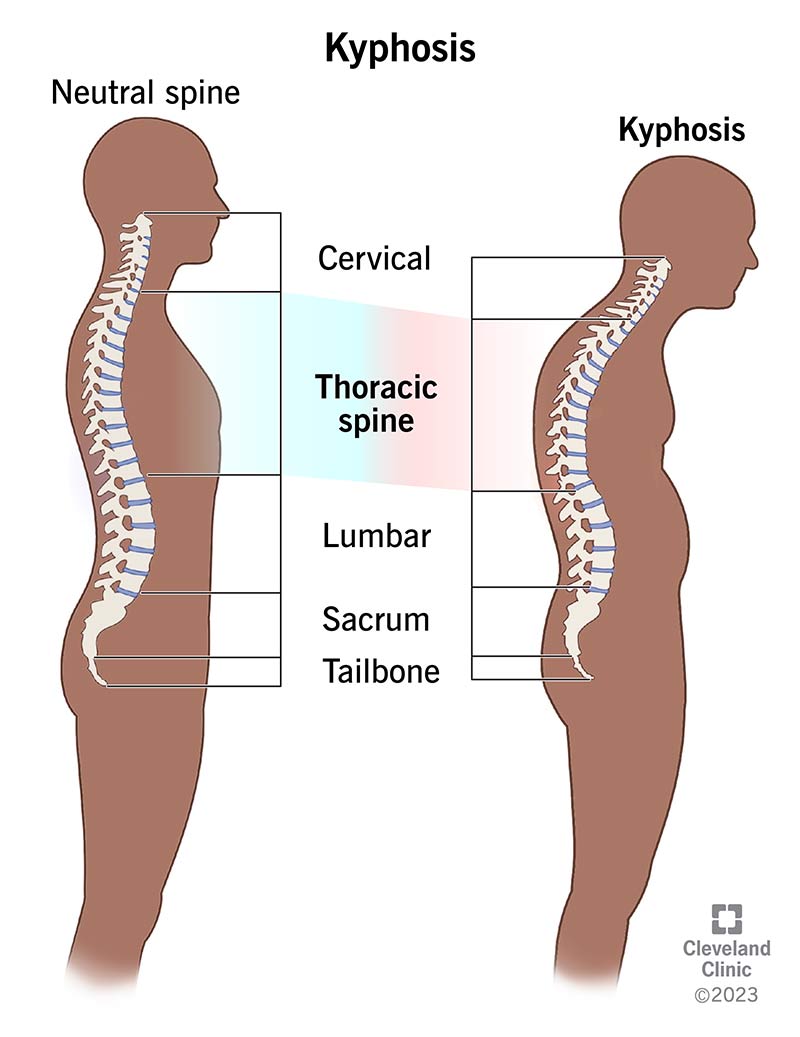
Over time, the body builds layers of compensation. An old injury, repetitive movement, or prolonged stress can create fascial tension that alters how force travels through the body. The body adapts to maintain balance, but that balance is often inefficient. These adaptations can lead to strain, tightness, and discomfort in areas far removed from the original issue. For example, an ankle injury may change how a person walks, which then affects the knee, hip, and eventually the spine. These patterns can persist long after the original injury is forgotten, because the body has reorganized itself around that restriction.
Working With the Body, Not Against It
The goal is not to force the body into position, but to remove the restrictions that are pulling it out of alignment. The Structural Fascial Realignment Method works with the body’s natural systems rather than against them. By releasing tension within the fascial network, the body is able to reorganize itself. As these restrictions are reduced, alignment improves naturally without being forced. Movement becomes easier, and the body no longer needs to rely on inefficient compensations.
How Progress Is Measured
Throughout the session, the body is continuously reassessed. After working on a specific area, changes are evaluated through range of motion, ease of movement, and overall balance. When the correct restriction is addressed, changes are often immediate. Movement becomes smoother, tension decreases, and even areas that were not directly treated begin to improve. These changes provide clear feedback that the underlying structure is being affected rather than just the surface tension.
A System, Not Guesswork
Each session follows a structured process: Assess, release, reassess, and refine. This allows the work to be guided by how the body responds in real time. If something improves, the process continues in that direction. If it does not, the approach is adjusted. This creates a highly individualized session based on the body’s actual patterns rather than a fixed routine.
The Result
The body is not being “fixed”—it is being allowed to return to its natural state. When the underlying fascial patterns are addressed, the structure improves, the need for compensation decreases, and the body functions more efficiently. Posture becomes more natural, movement becomes more fluid, and tension is reduced without forcing change. This is what creates lasting results.
The Structural Fascial Realignment Method is based on a simple but powerful idea: the body is not broken—it is adapting. By understanding and addressing those adaptations at their root, it becomes possible to restore balance and allow the body to function the way it was designed to.